Dog Aggression Training in
Metro Detroit, MI
Assessment first. Honest answers. No promises before we have met your dog.
If your dog lunges at other dogs, guards their food, or has snapped at someone, you are probably carrying a lot of worry about it — and a fair amount of advice that has not helped. Most dogs we meet under the heading of “aggression” are frightened or frustrated rather than dangerous. Working out which one you have is where this starts.
Book a free 15-minute discovery call and get:
- A read on what is actually driving the behaviour
- Whether this is reactivity, guarding, fear, or genuine aggression
- An honest answer about what training can and cannot change
We would rather tell you on a fifteen-minute call that your dog needs a veterinary behaviourist than sell you a package that was never going to work.
Is Your Dog Aggressive, or Reactive?
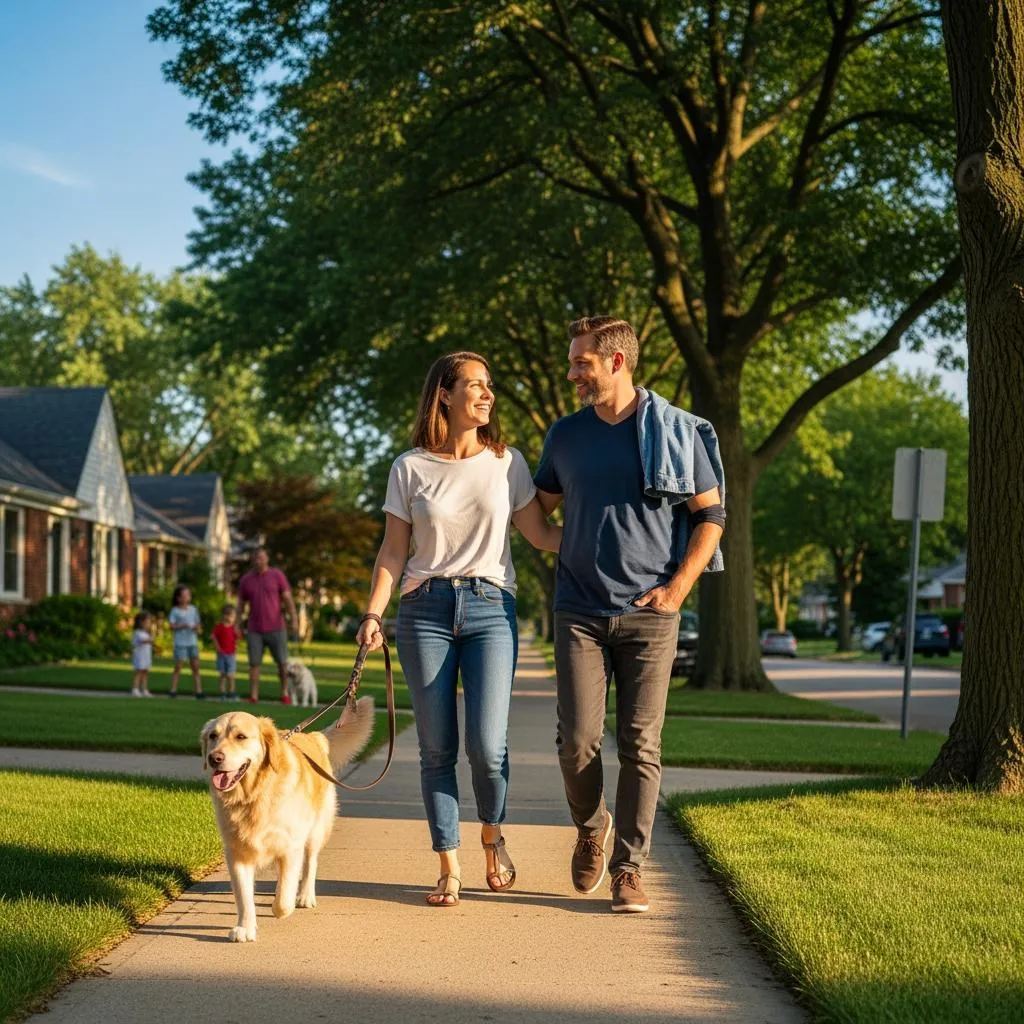
Almost everyone who calls us about aggression has a reactive dog. The two look nearly identical from across the street — barking, lunging, hackles up, an owner hanging onto the leash — but underneath they are different problems and they need different plans.
A reactive dog is over threshold. They are frightened, frustrated or overstimulated, and in that state they genuinely cannot think. The barking is not a plan. It is what spills out when a dog has no other way to handle what is in front of them.
An aggressive dog is making a decision. The intent is to create distance or to cause harm, and the behaviour is deliberate rather than panicked. It is far less common than the word suggests.
This matters because the wrong label leads to the wrong training. Punishing a frightened dog for barking teaches them that the thing they were scared of now predicts something unpleasant — and the behaviour gets worse. Naming it correctly is not a formality. It is the whole foundation of the plan, and it is what the first conversation is for.
What This Usually Looks Like
These are the behaviours families bring to us. If you recognise one or two, you are in ordinary company — none of this is unusual, and none of it means you have failed your dog.
Lunging and barking on leash
The most common thing we see. Your dog spots another dog half a block away and erupts — barking, pulling, spinning. Most of the time this is frustration or fear, not a dog who wants to fight.
Guarding food, toys or furniture
Stiffening, freezing, a low growl when someone approaches. Guarding is normal dog behaviour that has been allowed to escalate, and it responds well to structured work.
Reacting to strangers in the home
Barking at the door, circling guests, refusing to settle. Usually a dog with no clear job and no idea what the rules are when the doorbell rings.
Snapping or growling at family
The one people are most afraid to admit. It is also the one where an honest assessment matters most, because the cause determines whether training is the right tool at all.
Dog-to-dog conflict at home
Two dogs in one house who have started fighting. Manageable in many cases, but it needs a real plan rather than hoping they sort it out.
A bite history
If your dog has bitten, say so on the call. It changes the plan, and we would rather know at the start than find out later.
Assessment Before Anything Else
You cannot plan around a behaviour until you know what is causing it. Two dogs can lunge at the end of a leash for opposite reasons, and the training that helps one will make the other worse.
What sets your dog off, at what distance, and how long it takes them to recover. That is the working map for everything after.
Pain makes dogs snappy, and hearing and vision loss change how they read the world. If something medical is in play, training on top of it is wasted effort.
Progress happens at the distance where your dog can still think. Push past that and you are rehearsing the problem rather than fixing it.
Everyone who holds the leash needs the same rules. Behaviour work falls apart faster than anything else when it is inconsistent.
Serving Metro Detroit
Our facility is at 4396 Dixie Hwy #3 in Waterford, Michigan. Behaviour work often starts somewhere quiet and controlled before it moves to the places where the problem actually happens.
Oakland County
Macomb County
Not on the list? Call or text (248) 618-3258.
The Canine Connection Compass™
Behaviour cases are where this framework earns its keep. The Canine Connection Compass™ is what Mandy built over ten years of training dogs here in Metro Detroit, and with an aggressive or reactive dog all four pillars are usually involved at once.
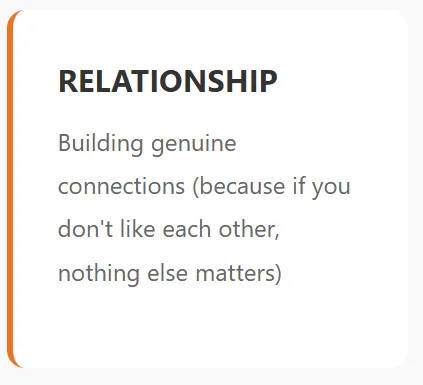
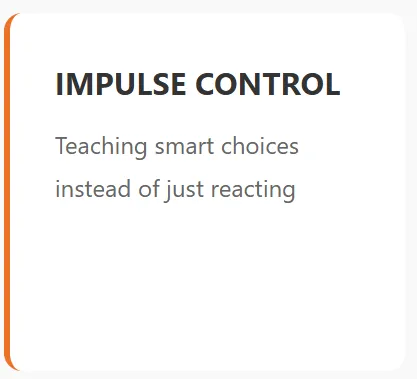
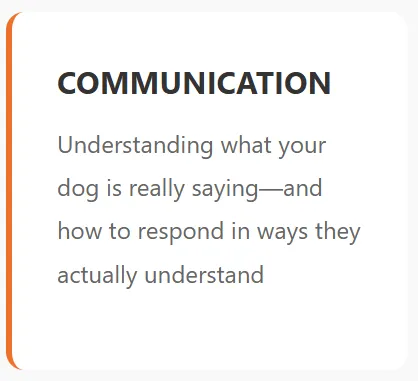
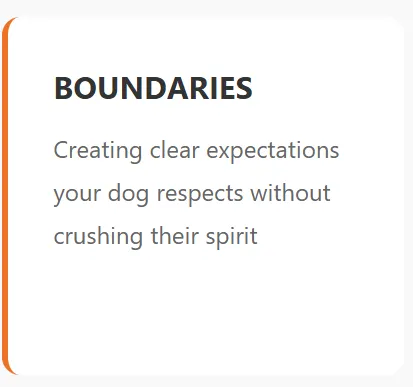
A dog who trusts you will take information from you in a moment that frightens them. A dog who can regulate themselves can wait instead of exploding. Clear communication means they stop guessing, and consistent boundaries tell them what safe looks like. Behaviour cases fail when one of those is missing.
When We Are Not the Right Answer
Some dogs need a veterinary behaviourist rather than a trainer. Some need medical causes ruled out first. Occasionally a household's circumstances mean the honest recommendation is management rather than rehabilitation, and sometimes the hardest conversation is the right one.
We will tell you. Aggression is the area where overpromising does real damage — to your dog, to your family, and sometimes to someone else's dog on the other end of the street. If we do not think we can help, you will hear that on the discovery call, for free, before you have spent anything.
And if we do think we can help, you will get a straight account of what that involves and roughly how long it takes.
More on Reactivity and Guarding
If you would rather read first, these go deeper on the behaviours above.
Questions We Get About Aggression
Book Your Free, No-Obligation Discovery Call
Tell us what your dog is doing and we will give you a straight answer about what is driving it and what would actually help. Free, fifteen minutes, no sales pitch.
Schedule My Free Discovery Call →