Reactive Dog Training
in Metro Detroit, MI
For dogs who lose it at the sight of another dog.
You see another dog coming and cross to the other side of the street before your dog spots them. If they do spot them, it’s barking, lunging and pulling, and every walk turns into planning an escape route. That’s dog reactivity, and it’s exactly what we work on. Most reactive dogs aren’t looking for a fight. They’re scared, and the plan starts there.
Book a free 15-minute discovery call and get:
- A read on what sets your dog off, and from how far away
- Whether we can help, or someone else is the better fit
- A straight answer about what training can change and how long it takes
What Dog Reactivity Really Is
From across the street, a reactive dog looks like trouble: barking, lunging, hackles up, and an owner hanging on to the leash. Up close, it’s usually something else.
Reactivity is fear-based. The other dog is too close, too fast or too much, and your dog has no other way to make it stop. The noise is meant to make the other dog go away, and because the other dog usually does keep walking, your dog learns that it works.
A dog who is over threshold can’t think. Past a certain distance, your dog stops hearing you. That isn’t stubbornness. A frightened dog is simply not in a state to learn.
This is why the label matters. Correcting a scared dog for barking teaches them that other dogs now predict something unpleasant too, and the reactions get bigger. Treating it as fear gives you a plan that actually lowers the reactions.
What This Usually Looks Like
These are the dog-reactive behaviors families bring to us. If you recognize one or two, you’re in good company. None of it is unusual, and none of it means you have failed your dog.
Lunging and barking at dogs on leash
The most common thing we see. Your dog spots another dog half a block away and erupts: barking, pulling, spinning at the end of the leash.
Crossing the street to avoid other dogs
You walk at odd hours, scan every corner and change sides whenever a dog appears. It works, but it means your dog runs the walk instead of you.
Reacting through the window or fence
Barking and charging at every dog who passes the house. Each time it happens, your dog gets more practice at reacting.
Guarding from other dogs
Stiffening, freezing or growling when another dog comes near their food, toys or space. It’s normal dog behavior that has grown bigger than it should, and it responds well to structured work.
Falling apart at the vet or in public
A waiting room, a busy sidewalk or a parking lot with other dogs in it, and your dog can’t settle or listen.
Fine one-on-one, but not on leash
Some dogs are relaxed off leash but explode on it. The leash takes away their option to move away, so they try to make the other dog leave instead.
How We Help Reactive Dogs
Reactivity improves when a frightened dog learns that other dogs aren’t a threat, and that you have the situation handled. We build that in steps, at a pace your dog can manage.
What sets your dog off, at what distance, and how long it takes them to recover. That’s the map for everything that follows.
Pain makes dogs short-tempered, and changes in hearing or vision change how they read the world. If something medical is going on, that comes first.
Progress happens at a distance where your dog can still listen, then we close the gap. Pushing past that point only rehearses the problem.
What to do when a dog appears around the corner, so you have a plan instead of just crossing the street. Everyone who holds the leash learns the same rules.
Serving Metro Detroit
Our facility is at 4396 Dixie Hwy #3 in Waterford, Michigan. Reactive dogs usually start in a quiet, controlled setting before working up to the places where the problem actually happens.
Oakland County
Macomb County
Not on the list? Call or text (248) 618-3258.
The Canine Connection Compass™
The Canine Connection Compass™ is the training system Mandy built over 10 years of training dogs here in Metro Detroit. With a reactive dog, all four pillars are usually involved at once.
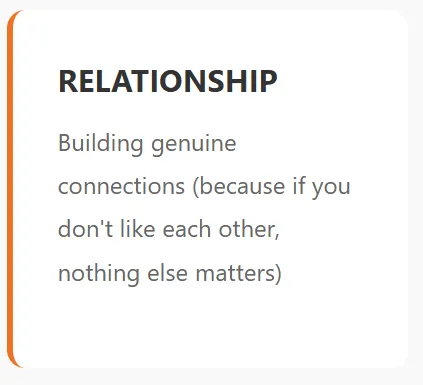
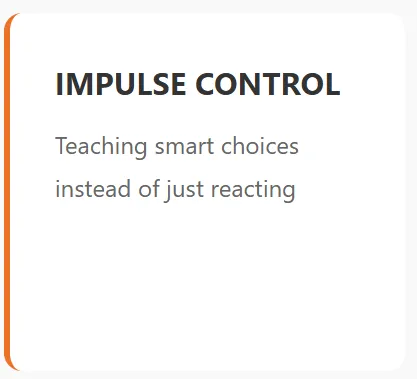
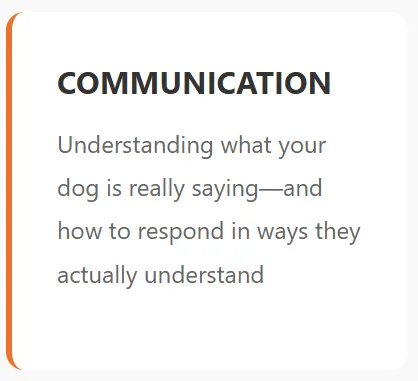
A dog who trusts you will look to you when another dog appears. A dog with impulse control can wait instead of exploding. Clear communication means they stop guessing what you want, and consistent boundaries show them what safe looks like. Reactivity training stalls when one of those is missing.
Who We Help, and Who We Don’t
Our focus is dogs who react to other dogs. If your dog is fine with people but falls apart around dogs, you’re in the right place, and we’re happy to take your dog on.
Dogs who react to people are outside our focus. If your dog’s reactions are aimed at people, such as guests, strangers or family members, we’re probably not the right fit. You’re still welcome to book the free 15-minute call, and we’ll point you toward the right kind of help.
Either way, you’ll get a straight answer on the call, for free, before you spend anything. If we can help, you’ll also hear what that involves and roughly how long it takes.
More on Leash Reactivity
If you’d rather read first, these go deeper on the behaviors above.
Questions We Get About Reactive Dogs
Book Your Free, No-Obligation Discovery Call
Tell us what happens when your dog sees another dog, and we’ll give you a straight answer about what’s driving it and what would actually help. Free, 15 minutes, no sales pitch.
Schedule My Free Discovery Call →