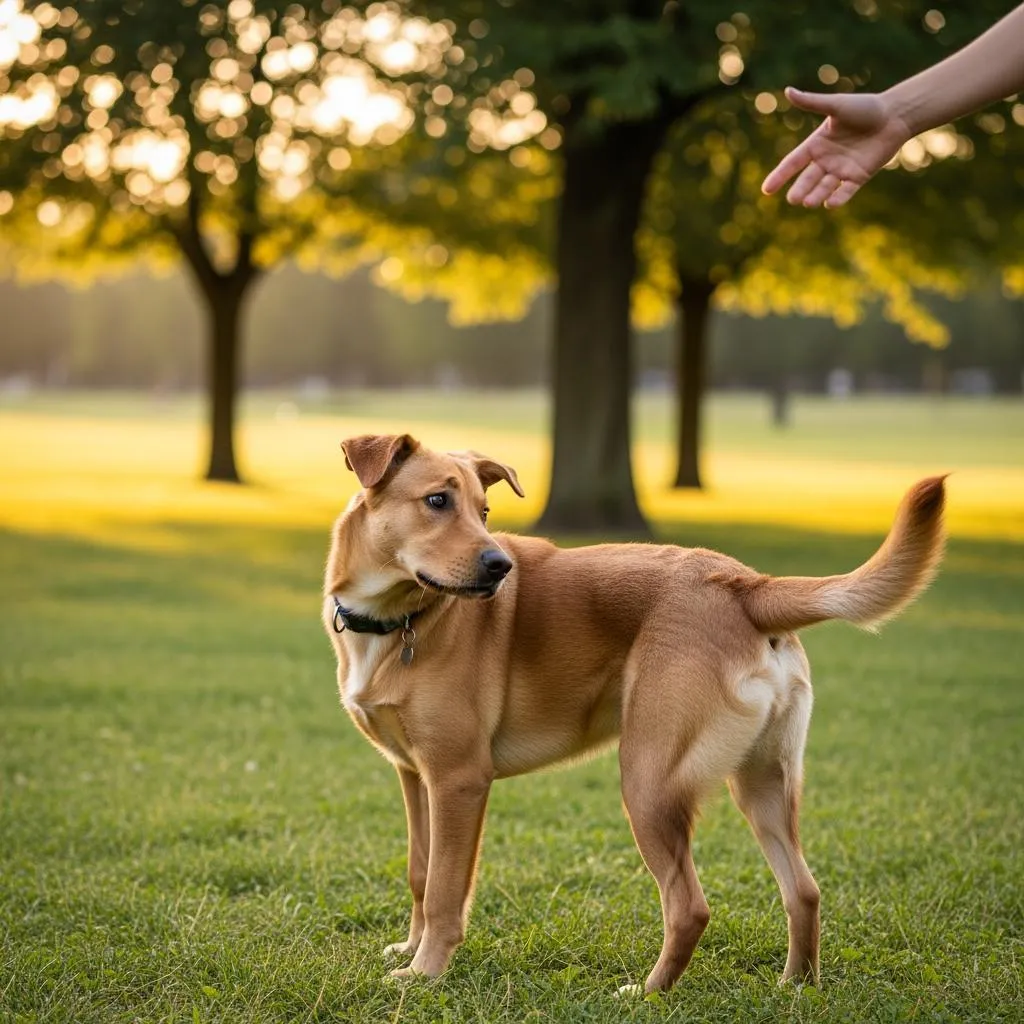
The Teenage Dog Phase: Why Your Perfect Puppy Stopped Listening
Remember that adorable puppy who hung on your every word, mastered "sit" in record time, and made you feel like a dog training genius? And then, seemingly overnight, that same dog started looking at you with a blank stare when called, "forgot" all their training, and began making choices that have you questioning everything you thought you knew about raising a dog?
Welcome to the teenage phase – that challenging period of canine adolescence that can test even the most patient dog owners.
At Clever Canine Dog Training, we regularly hear from Metro Detroit dog parents who are confused and frustrated when their once-perfect puppy suddenly transforms into a selective-hearing, boundary-testing adolescent. The good news? This is completely normal, temporary, and something you can successfully navigate with the right approach.
Understanding the Teenage Phase: It's Biology, Not Rebellion
Just like human adolescents, puppies go through a developmental phase where hormones, brain development, and a natural drive for independence create the perfect storm of behavioral changes.
When does the teenage phase happen? While it varies by breed and individual dog, most puppies enter adolescence between 6-8 months of age. Smaller breeds may start earlier, around 4-5 months, while larger breeds might not hit their teenage stride until 9-10 months. This phase typically lasts until 18-24 months of age, with the most challenging behaviors usually peaking around 8-14 months.
During this time, your dog's brain is literally rewiring itself. The prefrontal cortex – responsible for impulse control and decision-making – is still developing, while hormone levels are fluctuating dramatically. This creates a perfect neurological explanation for why your dog suddenly seems to have forgotten everything they once knew.
Marissa from Rochester Hills experienced this firsthand with her Lab mix, Cooper: "He was the star of puppy class at 4 months old. By 8 months, he acted like he'd never heard the word 'come' before, especially when squirrels were involved. I was convinced all our training had somehow been erased."
Why Your Once-Perfect Puppy Stopped Listening
Understanding the "why" behind your teenage dog's behavior can help reduce frustration and guide your training approach. Here's what's really happening when your adolescent dog suddenly seems to forget everything:
1. Heightened Environmental Awareness
Your puppy's world is expanding dramatically. Remember when they were little and you were the most interesting thing in their universe? Now they're discovering that squirrels, other dogs, interesting smells, and neighborhood sounds are competing for their attention.
This isn't defiance – it's development. Their brain is now wired to explore and investigate their environment more independently, which means you're suddenly competing with a world full of distractions.
2. Hormone-Driven Behavior Changes
The surge of hormones during adolescence affects your dog's behavior significantly, even if they've been spayed or neutered. These hormonal changes can lead to:
Increased territorial behavior
New fear responses to familiar situations
More intense reactions to other dogs
Heightened energy levels and excitability
Frustration-based behaviors like barking or digging
3. Testing Boundaries as a Developmental Need
When your teenage dog ignores a command they previously mastered, they're not being stubborn – they're gathering information. Each time they test a boundary, they're learning about consequences and consistency. This is actually a critical learning period where they discover which rules are flexible and which are firm.
Think of it this way: your dog isn't asking "Do I have to listen?" They're asking "What happens if I don't?"
4. Confidence vs. Skills Gap
Many teenage dogs experience a surge in confidence that outpaces their actual skill level. Like a teenage human who thinks they're ready to drive a car after one lesson, your dog may suddenly believe they can handle situations that are beyond their training level.
This explains why a previously cautious puppy might suddenly lunge toward another dog or why your formerly velcro puppy now strains at the leash to explore independently.
The Most Common Teenage Dog Behaviors (That Drive Owners Crazy)
If you're experiencing any of these behaviors, take comfort in knowing you're not alone:
Selective Hearing
This is perhaps the most common and frustrating teenage dog behavior. Your dog clearly hears you calling them but makes a conscious choice to ignore you, especially when something more interesting has their attention.
James from Troy shared: "My Golden Retriever Bella would literally look me in the eye when I called her, then turn and continue doing exactly what she wanted. It was like living with a furry teenager who was deliberately ignoring me."
Regression in House Training
Many owners are dismayed when their perfectly house-trained puppy suddenly starts having accidents again. This regression often happens because:
Their bladder control is affected by hormonal changes
They're too distracted or excited to recognize the need to go outside
They've forgotten to signal their need to go out
Increased Reactivity
A previously social puppy might start barking at unfamiliar dogs or people, or become more sensitive to environmental triggers like skateboards or bicycles. This isn't aggression – it's usually fear or uncertainty during a developmental period where they're more aware of potential threats.
Destructive Behaviors
Increased chewing, digging, or destructive behaviors often emerge during adolescence. These behaviors usually stem from:
Excess energy not being properly channeled
Teething (particularly between 7-9 months when adult molars come in)
Anxiety or frustration
Boredom when left alone
Boundary Testing
The puppy who used to respect the "no dogs on the furniture" rule might suddenly start sneaking onto the couch when you're not looking. The dog who never counter-surfed before might start investigating kitchen counters. This boundary testing is a normal part of development.
Leash Frustration
Many teenage dogs develop leash frustration, pulling harder or lunging at stimuli. This often results from their newfound confidence and desire to explore, combined with the frustration of being restrained.
Your Teenage Dog Survival Guide: Practical Strategies That Actually Work
The good news? This phase is temporary, and with the right approach, you can successfully navigate it without losing your training progress (or your sanity).
1. Return to Training Basics (With a Twist)
Rather than introducing complex new skills, go back to basics – but make it worth their while:
Upgrade your rewards: During adolescence, you need to become more interesting than the environment. Use higher-value treats (think chicken, cheese, or hot dogs in tiny pieces) that your dog only gets during training.
Shorter, more frequent sessions: Teenage dogs have shorter attention spans. Five 3-minute training sessions throughout the day are more effective than one 15-minute session.
Train in new environments: If your dog performs perfectly at home but ignores you at the park, you haven't proofed the behavior enough. Gradually increase distractions during training sessions.
2. Management Prevents Problems
Sometimes the best training strategy is preventing unwanted behaviors in the first place:
Restrict freedom: Use baby gates, crates, or leashes in the house to limit your dog's ability to practice unwanted behaviors.
Supervise or contain: During this phase, unsupervised freedom often leads to trouble. If you can't directly supervise, provide a safe containment option.
Remove temptations: Put valuable items out of reach, secure trash cans, and use deterrents for furniture if needed.
Sarah from Birmingham implemented this approach with her Border Collie mix: "Once we realized Max was in his teenage phase, we went back to treating him like a puppy – more management, less freedom. It was temporarily inconvenient but prevented so many problems."
3. Exercise and Mental Stimulation Are Critical
A teenage dog with excess energy will find ways to release it – usually not in ways you'll appreciate:
Physical exercise needs increase: Most adolescent dogs need 1-2 hours of physical activity daily, adjusted for breed and individual needs.
Mental exercise is equally important: Food puzzles, sniff walks, training games, and problem-solving activities tire out teenage dogs more effectively than physical exercise alone.
Structured activities: Consider structured activities like agility, nosework, or trick training to channel that teenage energy in positive directions.
4. Consistency Becomes Even More Important
When your dog is testing boundaries, consistency from all family members becomes crucial:
Family meeting: Ensure everyone in the household agrees on rules and consequences.
Clear communication: Use consistent cues and rewards.
Follow through: If you call your dog, be prepared to follow through if they don't come. Never call them for something negative (like nail trims or medication).
5. Adjust Your Expectations
Understanding that this is a phase – not a permanent personality change – helps maintain perspective:
Progress isn't linear: Expect good days and challenging days.
Focus on management during setbacks: When your dog seems to forget all training, focus more on preventing problems until the phase passes.
Celebrate small wins: During adolescence, maintaining behaviors is a win. Don't expect perfection.
6. The Emergency U-Turn: A Lifesaving Technique
One specific technique that helps many teenage dog owners is the "Emergency U-Turn" – a method to redirect your dog's attention when they're about to make a poor choice:
At the first sign of fixation on a trigger (person, dog, squirrel), immediately change direction
Use an excited, high-pitched voice to say "Let's go!" or "This way!"
Move quickly in the new direction with enthusiasm
Reward generously when your dog follows
This technique prevents your dog from practicing reactive behaviors and teaches them to look to you for guidance in exciting situations.
When to Seek Professional Help
While the teenage phase is normal, some behaviors warrant professional intervention:
Aggression: Growling, snapping, or biting (beyond normal puppy mouthing)
Severe anxiety: Panic attacks, inability to calm down, or destructive behaviors when alone
Intense reactivity: Lunging, barking, or growling that's getting worse despite your efforts
Regression that doesn't improve: If house training accidents continue despite returning to a strict schedule
Professional trainers can provide personalized strategies for your specific situation and help distinguish between normal teenage behaviors and more serious issues.
This Too Shall Pass: The Light at the End of the Tunnel
The most important thing to remember during your dog's adolescence is that it's temporary. With consistency, appropriate training, and management, your once-perfect puppy will return – with the bonus of maturity and deeper bonding from weathering this phase together.
Many of our clients at Clever Canine find that dogs who go through a challenging adolescence often become the most reliable adult dogs, precisely because their owners invested in training during this critical period.
Jennifer from Royal Oak reflects: "Dealing with Baxter's teenage phase was honestly harder than the early puppy months. But now at 3 years old, he's everything I hoped for when I got a puppy – and I appreciate his good behavior so much more because I remember the challenging days."
Remember that your "teenage" dog isn't giving you a hard time – they're having a hard time. With patience, consistency, and the right approach, you'll both get through this developmental phase with your relationship intact and a well-behaved adult dog as your reward.
If you're struggling with your adolescent dog's behavior and feeling overwhelmed, you don't have to face this challenging phase alone. Our Canine Connection Compass methodology has helped hundreds of Metro Detroit dogs navigate adolescence successfully, giving their owners practical tools to restore harmony and rebuild training foundations.
Call me at (248) 618-3258 or email [email protected] to discuss how we can transform your teenage dog's challenging behaviors into opportunities for deeper training and connection. Our proven training approach has helped hundreds of Metro Detroit dogs transition smoothly from adolescence to well-behaved adulthood.
Remember, this challenging phase is temporary, but the training foundation you build now will last a lifetime.
Happy training!
Mandy Majchrzak
Owner and Head Trainer
Clever Canine Dog Training
Metro Detroit's Family Dog Training Specialists