From Selective Hearing to Reliable Response: Rebuilding Your Dog's Listening Skills
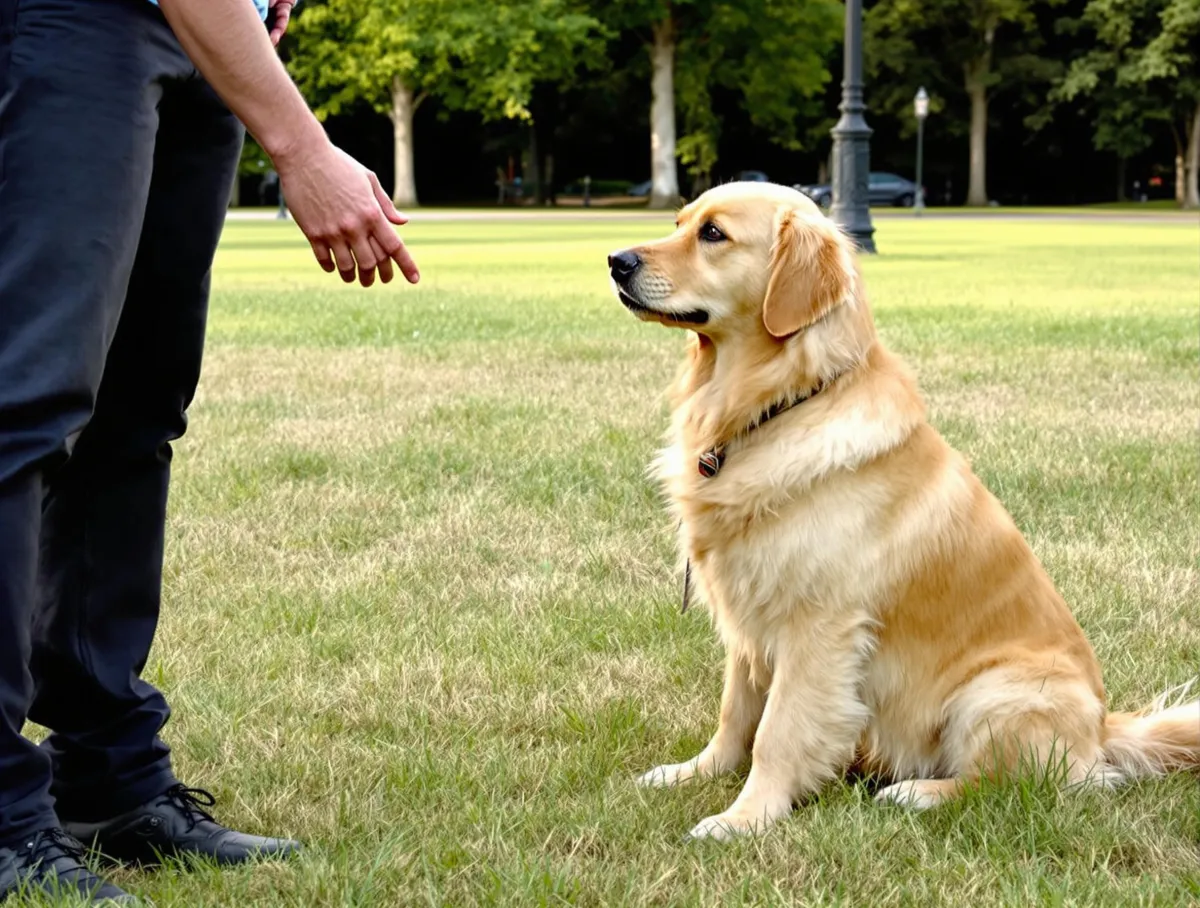
Have you ever found yourself repeating a command for the fifth time while your dog stares at you with that innocent "I have no idea what you're asking" expression? Or perhaps your dog has mastered the art of selective hearing – following commands perfectly during training sessions but conveniently "forgetting" everything when it actually matters?
You're not alone. As a professional dog trainer, I can't count how many times I've heard frustrated owners say, "He KNOWS how to come when called... he just doesn't DO it!"
The good news? This problem is both common and fixable. Whether you're dealing with an adolescent dog testing boundaries or an adult dog who's learned that commands are optional, this guide will walk you through a proven system to rebuild your dog's listening skills from the ground up.
Understanding Why Dogs Stop Listening
Before we dive into solutions, let's understand what's really happening when your dog ignores your commands.
They Know vs. They Do
One of the biggest misconceptions in dog training is assuming that if a dog has performed a behavior successfully a few times, they "know" the command. In reality, dogs need hundreds of successful repetitions across different environments before a behavior is truly reliable.
Take Sarah and her Golden Retriever, Max. Max would sit perfectly at home but completely ignore the command at the front door when visitors arrived. Sarah insisted, "He KNOWS how to sit!" The truth was, Max knew how to sit in low-distraction environments, but hadn't generalized the behavior to high-excitement situations.
The Reinforcement History Factor
Dogs do what works for them. If ignoring you has historically been more rewarding than listening to you, that's exactly what they'll continue to do.
Consider this scenario: Your dog doesn't come when called at the park. You call repeatedly with increasing frustration. Eventually, you walk over, grab their collar, and march them home while scolding them. What lesson did they learn? Coming when called leads to the end of fun and possibly a negative interaction.
The Relationship Component
At Clever Canine, our Canine Connection Compass methodology emphasizes relationship as the foundation of all training. When dogs don't listen, it's often a symptom of a disconnection in the human-canine relationship.
Tom's Labrador, Bailey, seemed to ignore basic commands despite months of training. During our assessment, I noticed that Tom rarely engaged with Bailey outside of giving commands or corrections. There was no relationship foundation to build upon. Once Tom began incorporating play, positive interactions, and trust-building exercises, Bailey's responsiveness improved dramatically – even before we addressed specific commands.
Age and Stage Considerations
A dog's listening skills are also influenced by their developmental stage:
Adolescent dogs (6-18 months) often experience a regression in training as they test boundaries and gain independence – similar to human teenagers.
Adult dogs (2-7 years) who have practiced ignoring commands have developed strong habits that require consistent retraining.
Senior dogs (8+ years) may have physical limitations or cognitive changes affecting their response to commands.
The Foundations of Listening
Before rebuilding specific commands, we need to establish four critical foundations:
1. Clear Communication
Dogs thrive on clarity. Inconsistent commands, mixed signals, and emotional delivery all contribute to confusion and non-compliance.
Jessica used "Come," "Come here," "Come now," and "Get over here" interchangeably with her Border Collie mix. No wonder her dog seemed confused! We standardized her cues, kept her tone neutral but positive, and added clear hand signals. Within two weeks, her dog's response rate improved by 70%.
2. Consistency Across Environments
Many dogs appear to have "selective hearing" because they haven't been properly taught to generalize commands across different contexts.
The 3-D Approach to Generalization:
Duration: Can your dog hold the command for increasing periods?
Distance: Can your dog perform the command when you're not right next to them?
Distraction: Can your dog respond reliably with increasing environmental challenges?
3. Value-Based Motivation
Dogs repeat behaviors that are rewarding and avoid those that aren't. If listening to you isn't valuable enough from their perspective, they'll choose other options.
Mike's German Shepherd would perform basic obedience perfectly for treats at home but ignored the same commands on walks. The problem? The environment was more interesting than Mike's rewards. We helped Mike find higher-value motivators and taught him to become more engaging than the distractions.
4. Appropriate Expectations
Some owners expect 100% compliance from day one or in situations their dog hasn't been prepared for. Setting realistic expectations based on your dog's age, breed tendencies, and training history is crucial.
Working breeds like Border Collies and German Shepherds often learn commands quickly but may be more environmentally sensitive. Hounds and terriers may be more independent and require different motivation strategies. Understanding your dog's natural tendencies helps set appropriate goals.
The Rebuilding Process - Step by Step
Now let's rebuild your dog's listening skills with this systematic approach:
Step 1: Reset Your Training Environment
The Clean Slate Protocol:
Temporarily simplify your environment - Start retraining in a low-distraction setting
Use management tools - Leashes, baby gates, and crates prevent rehearsal of unwanted behaviors
Take a training break - Stop using ignored commands for 1-2 weeks to break the pattern
Reset your emotional state - Approach training with calm confidence instead of frustration
When Lisa came to us about her Goldendoodle who ignored basic commands, we first implemented a two-week "command vacation." She used management instead of commands (leash instead of "come," gates instead of "stay"). This break reset the pattern of ignored commands and prepared them for fresh training.
Step 2: Rebuild Value in Basic Commands
Once you've reset, it's time to rebuild each command with proper value:
The Value-Building System:
Start with one command - Often "come" or "sit" as a foundation
Use high-value rewards - Find what truly motivates your dog (special treats, toys, play)
Short, successful sessions - 3-5 minutes, 3 times daily
Reward magnificently - Make compliance incredibly worthwhile
Build a pattern of success - Aim for 80% success rate before adding challenges
Mark's Boxer would sit occasionally but ignored the command when excited. We had Mark use chicken (a high-value treat) and practice 10 sits per day in a boring room. After three days of perfect sits, we gradually moved to slightly more distracting environments. Within two weeks, his dog was sitting reliably in moderately distracting situations.
Step 3: Progressive Distraction Training
Now it's time to systematically proof your dog's listening skills against real-world challenges:
The Distraction Ladder:
Create a distraction scale from 1-10 (1 being minimal distraction, 10 being maximum)
Master each level before moving up (90% success rate)
If your dog fails at a level, drop down to the previous successful level and rebuild
Practice at varying times and places
Gradually increase duration before adding more distraction
Jennifer's Beagle mix struggled with "stay" commands around food. We created a distraction ladder:
Level 1: Stay while owner stands still (no food)
Level 2: Stay while owner takes one step away (no food)
Level 3: Stay while owner walks in a circle (no food)
Level 4: Stay with closed treat container visible
Level 5: Stay with treat container open but out of reach
By spending adequate time at each level, Jennifer's dog developed a solid stay that eventually worked even with food distractions.
Step 4: Proofing for Reliability
The final step is to proof commands against specific real-life scenarios:
The PREACH Method:
Proximity (distance from you)
Reinforcement (variable rewards)
Environment (different locations)
Arousal (different emotional states)
Competing motivators (other dogs, people, smells)
Handlers (different people giving commands)
When David's Labradoodle mastered recall in the backyard but failed at the park, we implemented targeted proofing. We practiced recalls with increasing distance, around mild distractions, with other people present, and finally with other dogs at a distance. We gradually built up to the park environment by practicing in increasingly challenging locations.
Troubleshooting Common Scenarios
Let's address specific listening problems and their solutions:
Door Dashing Solutions
The Problem: Your dog bolts through doors despite commands to wait or stay.
The Solution:
Install a baby gate as management while retraining
Teach a solid "wait" command starting with low-value doors (bathroom, bedroom)
Practice the "permission pattern" - wait, release word, reward
Gradually increase difficulty to front/back doors
Add distraction of doorbell or knocking
Success Story: Melissa's Cattle Dog mix would charge through any open door despite her commands. After implementing our door protocol, within three weeks her dog was waiting patiently at open doors until released – even when visitors arrived.
Recall Resistance Fixes
The Problem: Your dog ignores "come" commands, especially when distracted.
The Solution:
Implement the "recall reboot" - stop using the command for two weeks
Choose a new recall word if the old one is "poisoned"
Practice the "recall game" - call, reward magnificently, release to play again
Use a long line for safety during training
Never call your dog for anything negative
Success Story: Rick's Shepherd mix would come when called at home but completely ignore him at the park. We switched his recall cue from "come" (which had been used for bath time and leaving the park) to "here" and paired it exclusively with high-value rewards and continued play. Within a month, his dog had a 90% reliable recall even with moderate distractions.
Leash Walking Rebellion Remedies
The Problem: Your dog ignores "heel" or loose leash walking cues, pulling toward distractions.
The Solution:
Reset with structured walking practice in low-distraction areas
Implement pattern interrupts for pulling (stop, change direction)
Reward position not just behavior (treat placement matters)
Gradually increase distraction levels using the distraction ladder
Consider appropriate training tools if needed
Success Story: Karen's Goldendoodle pulled so hard on walks that she avoided taking him out. We implemented a structured walking program starting in her hallway, then yard, then quiet street. We used a front-clip harness temporarily while teaching leash pressure responses. Within three weeks, her dog was walking politely in residential areas, and after six weeks, he could walk past other dogs with minimal redirection.
Barking When Told to Stop
The Problem: Your dog continues barking despite commands for quiet.
The Solution:
Teach an incompatible behavior (can't bark while holding a toy or doing "touch")
Practice "speak" then "quiet" for contrast training
Reward quiet moments proactively
Address the underlying cause (boredom, territorial behavior, etc.)
Use consistent cues across all family members
Success Story: Pete's Terrier would bark at every noise and ignore commands to be quiet. We taught a solid "speak" command first, then "quiet," rewarding even brief moments of silence. We also addressed his boredom with more enrichment activities. Within three weeks, Pete could interrupt barking with a single "quiet" command.
Maintaining Long-Term Success
Rebuilding listening skills isn't a one-time fix. Here's how to maintain your progress:
Consistency Practices for the Whole Family
Command Consensus Meeting - Agree on exact words and hand signals
Response Protocol - Everyone follows the same steps when commands are ignored
Regular Family Training Sessions - Practice together weekly
Command Chart - Post a visual reminder of agreed commands
Ongoing Reinforcement Strategies
Random Rewards - Occasionally provide jackpot rewards for quick compliance
Life Rewards - Use daily privileges (going outside, mealtime) as opportunities to practice
Maintenance Training - 5-minute refresher sessions twice weekly
Environmental Management - Continue to set your dog up for success
When to Adjust vs. When to Hold Firm
Some listening issues require flexibility on our part:
Adjust when physical limitations, fear, or confusion are factors
Hold firm when your dog understands but is choosing not to comply
Simplify when you've progressed too quickly through distraction levels
Get help when you've consistently applied training without improvement
Signs You Might Need Professional Help
Consider professional training if:
Your dog's listening has deteriorated despite consistent training
There's a sudden change in responsiveness (could indicate medical issues)
Safety concerns exist (door dashing into traffic, ignoring recall near dangers)
You've tried systematic approaches for 3+ weeks without improvement
Family tensions are rising due to training frustrations
The Path Forward
Rebuilding your dog's listening skills takes time and consistency, but the results are worth the effort. Most dogs show significant improvement within 2-4 weeks of implementing these strategies, with continued progress over 2-3 months.
Remember that perfect reliability in all situations is a journey, not a destination. Even the best-trained dogs have moments of selective hearing. The goal is consistent, reliable responses that you can count on when it matters most.
The foundation of listening isn't just about obedience—it's about connection. When your dog trusts that listening to you leads to good things, when communication is clear, and when your relationship is strong, commands become conversations rather than confrontations.
If you're struggling with a dog who's tuned you out, you don't have to face this challenge alone. Our Canine Connection Compass methodology has helped hundreds of dogs transform from selective listeners to reliable responders.
Call me at (248) 618-3258 or email [email protected] to discuss how we can transform your dog's listening skills and restore harmony to your household. Our proven Canine Connection Compass methodology has helped hundreds of Metro Detroit dogs develop reliable responses to commands, even in challenging environments.
Remember, every dog can learn to listen reliably with the right approach and guidance. The path to better behavior begins with a single conversation.
Happy training!
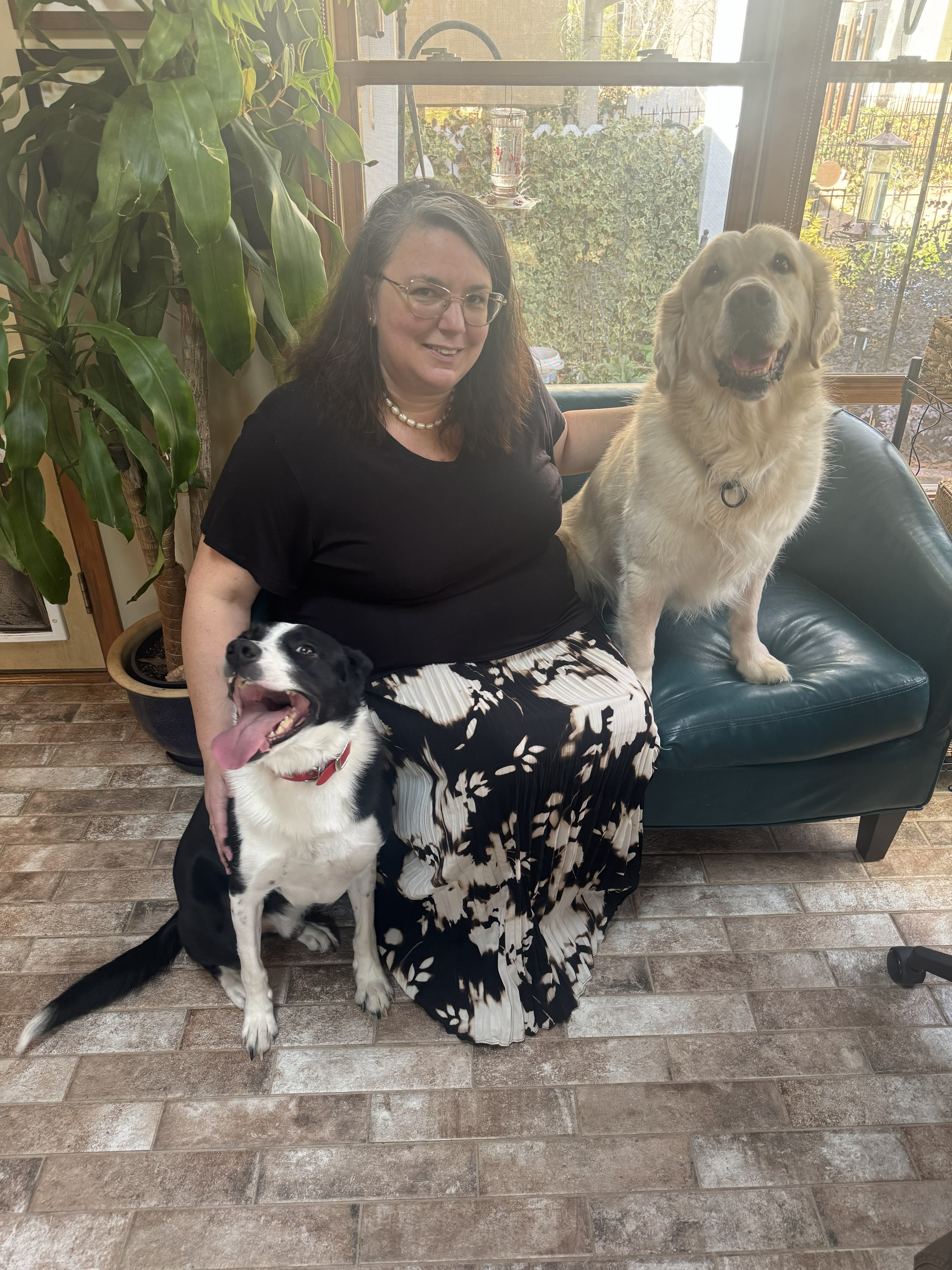
Mandy Majchrzak
Owner and Head Trainer
Clever Canine Dog Training
Metro Detroit's Family Dog Training Specialists